Shelf talkers retail solutions remain one of the most reliable tools for driving sales during challenging economic periods. When budgets tighten and competition intensifies, retailers need proven point-of-purchase strategies that deliver results without major investment. This guide covers time-tested design strategies, placement tactics that maximize exposure, and customization options that strengthen brand identity through practical in-store marketing.
Shelf talkers retail displays address the fundamental challenge facing every retailer during economic uncertainty. When consumer spending slows, products must work harder to capture attention in aisles packed with competing alternatives.
Shoppers make decisions in seconds based on what catches their eye first.
Most products remain unseen by shoppers during each store visit. During economic downturns, purchase decisions happen faster as budget-conscious shoppers seek clear value signals. Shelf talkers provide that clarity through proven signage that extends beyond standard shelf edges.
This guide explains how retailers use shelf signage to maintain a competitive advantage during tight markets. You’ll learn cost-effective differentiation strategies, design elements that influence purchase decisions, strategic placement techniques, and customization options that maximize ROI.
How Shelf Talkers Retail Solutions Create Competitive Advantages
Shelf talkers retail signage serves as proven point-of-purchase communication that has consistently influenced buying decisions through decades of retail evolution. During economic downturns, this reliable approach becomes essential as retailers need cost-effective methods to maintain sales momentum. On the shelf marketing creates differentiation through better visibility and smart positioning without requiring big marketing budgets.
What Makes Shelf Talkers Effective Differentiation Tools
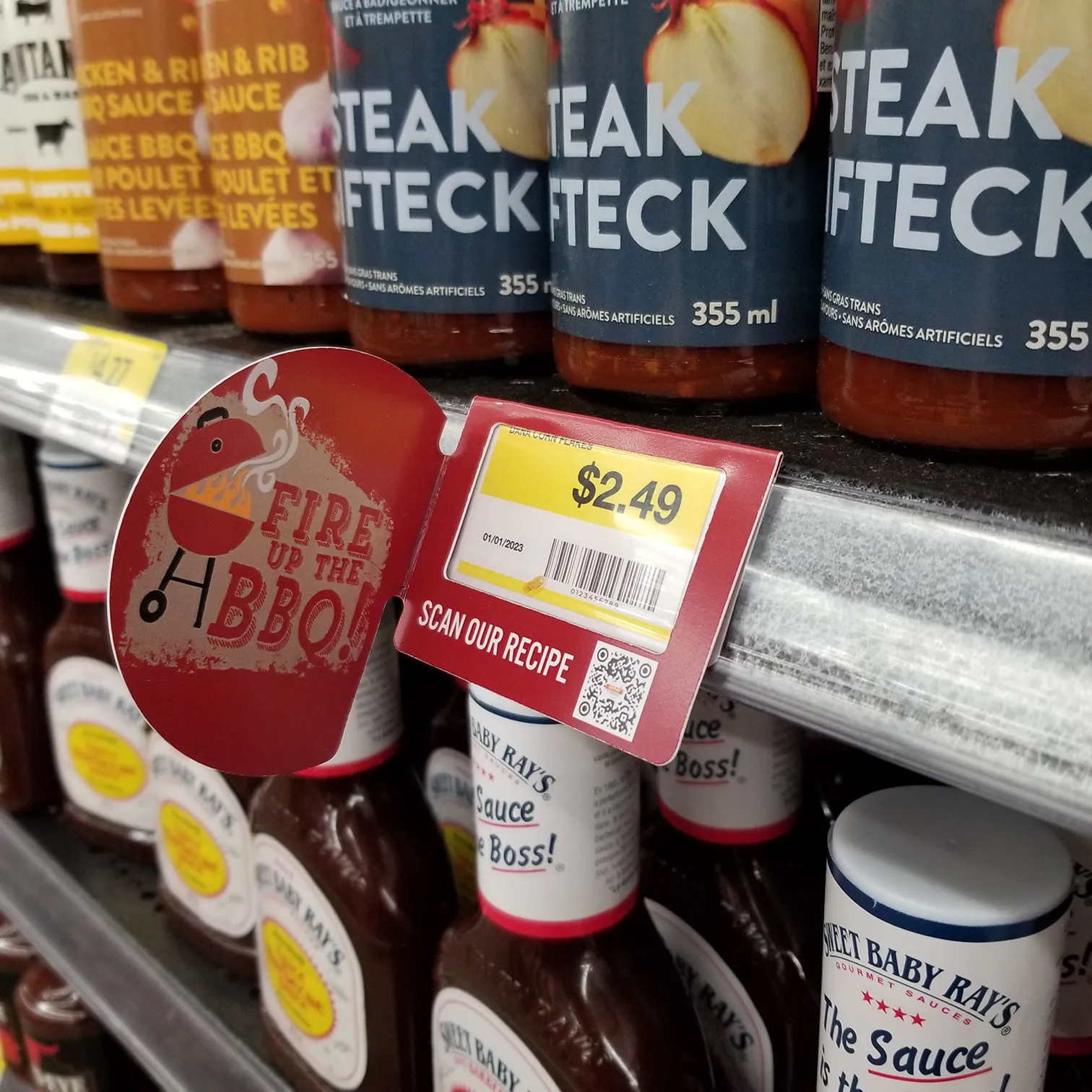
Standard shelf arrangements create horizontal monotony where products blend together. Perpendicular positioning breaks this pattern by extending signage forward into the aisle.
This straightforward approach has worked reliably across retail formats for years.
Shelf talkers provide clear competitive benefits:
- Stand out from standard shelf appearance
- Break up monotonous aisle displays
- Give you extra space to communicate beyond packaging
- Create last-meter marketing opportunities
- Support impulse purchase triggers with promotional messages
Products with shelf talkers gain prominence over items without signage. The visual hierarchy guides shopper attention toward featured products at minimal cost.
How Point-of-Purchase Positioning Drives Sales
Research shows most shoppers make buying decisions based on what they see in stores. Many grocery purchases happen on impulse, meaning shoppers add items beyond their original lists.
During economic uncertainty, these unplanned purchases become even more important for maintaining revenue.
Point-of-purchase positioning delivers real advantages:
- Capture attention when shoppers compare products
- Communicate what makes your product special
- Highlight promotions at decision points
- Direct customers to specific products
- Make decisions easier with clear messaging
Well-placed shelf talkers can boost product sales significantly. This consistent performance makes them one of the most reliable tools for maintaining sales during challenging economic periods when every conversion matters.
What Design Elements Make Shelf Talkers Stand Out
Visual design principles determine whether shelf talkers capture attention or blend into backgrounds. These fundamentals remain consistent regardless of market conditions. Color psychology creates immediate impact through contrast. Typography ensures messages come across clearly. Customization lets retailers adapt designs for specific campaigns and product categories without starting from scratch.
How Colour and Contrast Capture Shopper Attention
High-contrast combinations create immediate visual separation from surrounding shelf elements. Bold colours generate the “pop” that makes signage noticeable even when shoppers aren’t looking directly at it.
Colour psychology influences how shoppers respond to messages.
Warm colours like red and orange create urgency. Cool colours like blue and green communicate trust and quality.
Smart colour use delivers multiple benefits:
- Bold colours create immediate visual pop
- Brand colours strengthen identity recognition
- Contrast ensures readability in different lighting
- Strategic colour use guides eye movement
- Seasonal colours align with promotional timing
Visibility from distance matters because shoppers scan entire aisles before approaching specific products. Signage that registers when shoppers aren’t looking directly at it brings customers closer for examination.
What Messaging and Typography Drive Action
Shoppers don’t read long text on shelf signage. This reality becomes even more pronounced during economic uncertainty when customers move quickly through stores comparing value.
Messages that work use three to seven words that communicate benefits, promotions, or features instantly.
Call-to-action phrases prompt immediate responses. Phrases like “Try Today,” “New Formula,” or “Save Now” work better than generic descriptions.
Typography and messaging best practices include:
- Large fonts ensure visibility at a glance
- Action-oriented language prompts purchases
- Feature highlights communicate value quickly
- Price promotions create urgency
- Product benefits address customer needs
Clear communication removes friction from the buying process. During tight economic periods, shoppers who understand benefits quickly proceed to purchase rather than continuing to search for better value elsewhere.
How Strategic Placement Maximizes Shelf Talker Impact
Shelf talkers retail positioning strategy determines exposure and engagement levels. Eye-level placement takes advantage of natural sight lines. Traffic pattern analysis reveals high-visibility zones where customers spend more time. Smart shelf positioning considers approach angles, cart heights, and category transitions.
Where Eye-Level Placement Increases Visibility
Adults naturally look straight ahead while walking, making signage at eye level most visible. This height range captures attention without requiring shoppers to look up or bend down.
Shoppers enter aisles and scan shelves from left to right.
They focus on mid-height shelves first before checking higher or lower positions.
Eye-level placement strategies include:
- Position at average adult eye level for immediate visibility
- Account for shopping cart height that may block lower signage
- Consider aisle approach angles from both entry points
- Place near related product categories for context
- Avoid obstructions blocking view from main traffic flow
Products positioned at eye level with shelf talkers achieve significantly higher sales. The visibility advantage translates to a consideration advantage.
How High-Traffic Zones Amplify Exposure
Checkout lanes capture waiting shoppers who scan nearby products while standing in line. These captive audiences view signage longer than shoppers moving through standard aisles.
Endcaps benefit from highest visibility in stores.
These shelf ends cap aisles where traffic from multiple directions meets. Shoppers pass endcaps when entering aisles, exiting them, and moving through main pathways.
High-traffic zone advantages include:
- Checkout lanes capture waiting shoppers with time to browse
- Endcaps receive highest visibility from multiple traffic flows
- Promotional displays attract browsers seeking deals
- Entry areas set shopping tone and capture fresh attention
- Category transitions create discovery moments between departments
Shoppers who see shelf talkers in multiple high-traffic locations develop familiarity with products. The repeated exposure builds recognition and consideration.
What Customization Options Support Brand Differentiation
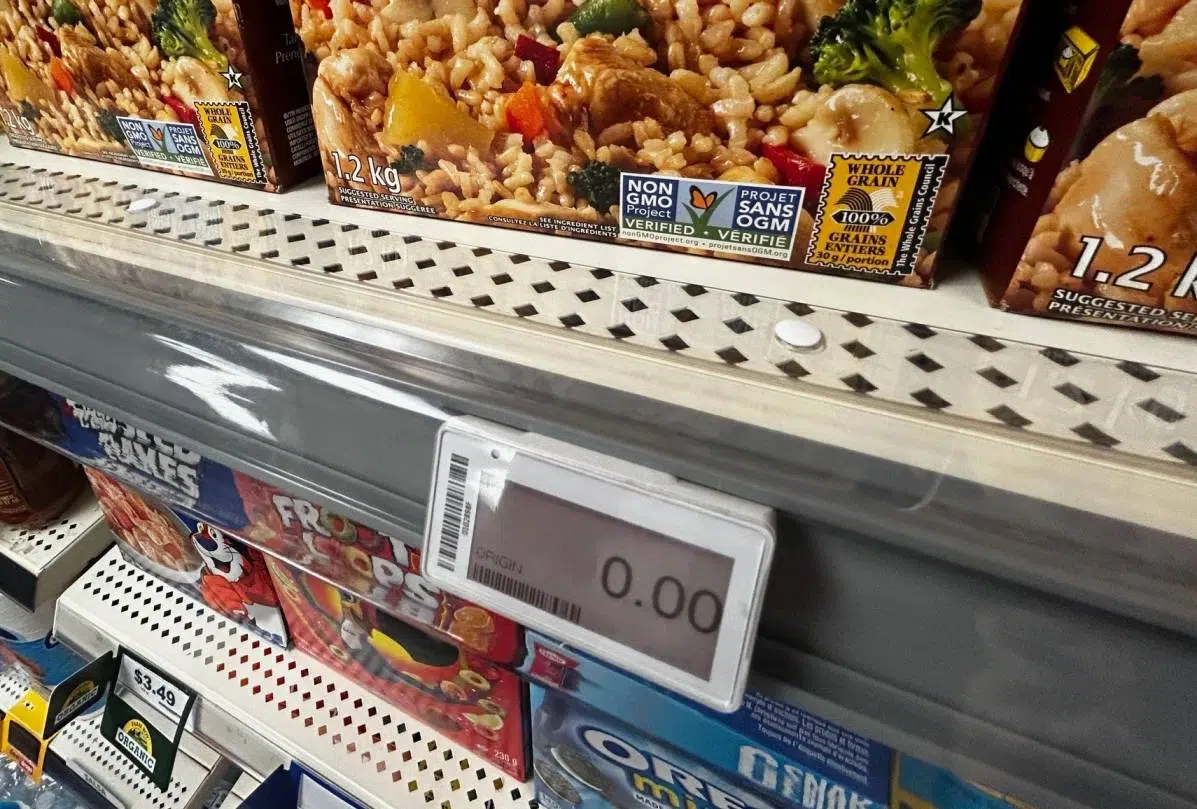
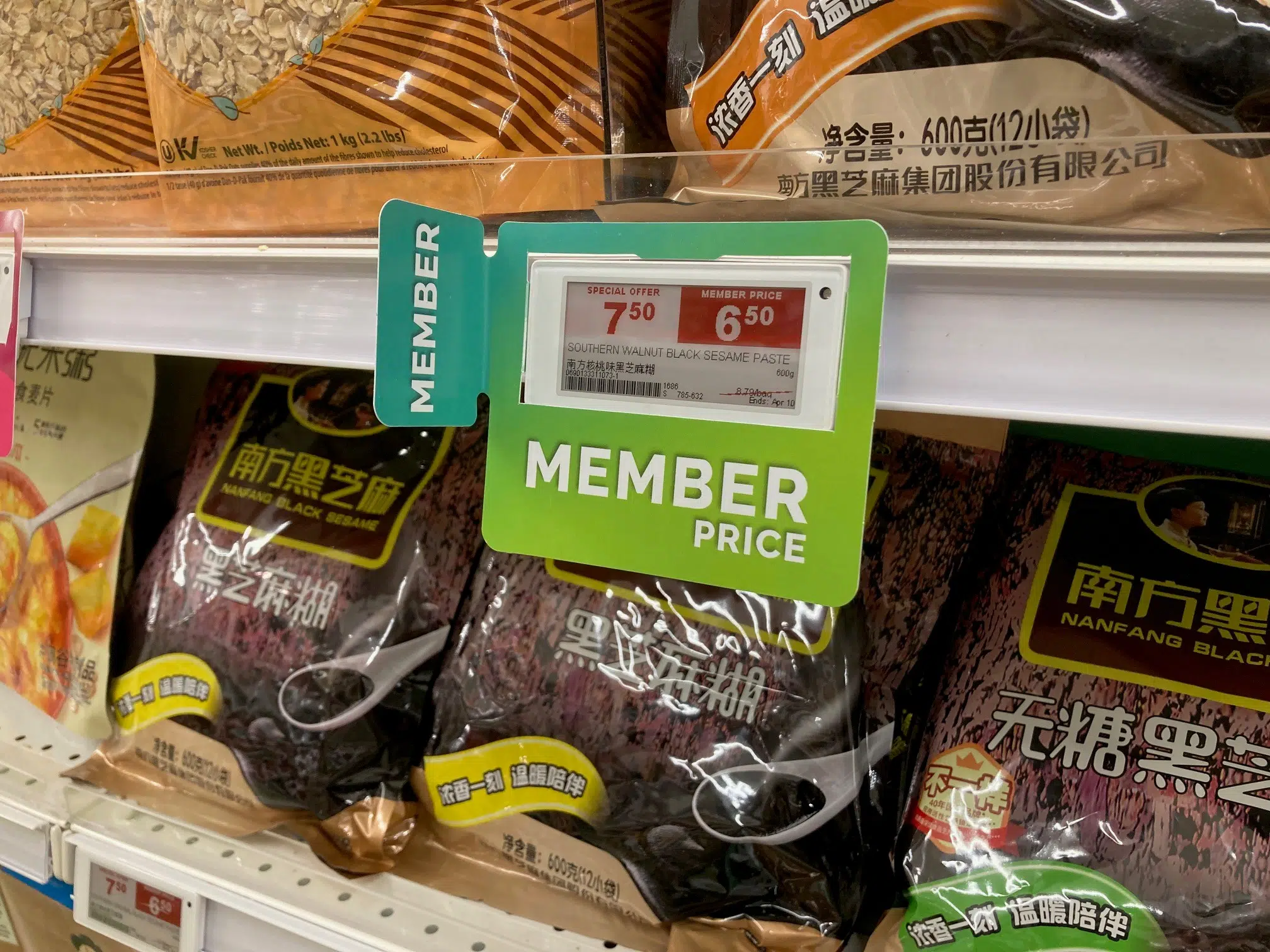
Customization lets you align signage precisely with your brand as market conditions change. Sizes adapt to different shelf setups. Shapes extend beyond standard rectangles to create distinctive brand signatures. Electronic shelf label compatibility ensures compatibility with modern retail technology without requiring complete system overhauls.
How Custom Shapes and Sizes Create Unique Identity
Shape variety transforms shelf talkers from generic rectangles into distinctive brand signatures. Die-cut designs reflecting product shapes or brand logos create instant recognition.
Size adaptation fits different retail environments.
Small shelf talkers suit compact products in pharmacy sections. Large format signage makes an impact in grocery aisles where viewing distances increase.
Custom design opportunities include:
- Custom shapes reinforce brand personality
- Sizes fit different product categories and shelf depths
- Die-cut designs create memorable impressions
- Dimensional options add physical presence beyond flat signage
- Material choices affect durability and appearance for long campaigns
Shoppers develop associations between unique shelf talker designs and specific brands. The repeated exposure to custom shapes builds mental availability.
What Installation Methods Ensure Secure Display
Modern shelf talkers use multiple mounting methods adapted to different retail fixtures. This flexibility has proven valuable through multiple economic cycles as retailers update store formats.
Compatibility with existing store infrastructure lets you deploy quickly without modifications.
Smart designs slide in data strips and ESL rails or hook onto existing fixtures without tools. These solutions stay secure while allowing easy updates when promotions change.
How Dana Industries Delivers Shelf Talkers Retail Solutions That Differentiate Your Brand
We specialize in custom shelf talker manufacturing with complete in-house design and production. Our 30 years serving major North American retailers through multiple economic cycles has built deep expertise in retail merchandising challenges.
When you partner with Dana Industries for shelf talkers, you gain access to proven solutions refined through decades of real-world application.
Our patented technologies include RaiserBack Lok™ for secure mounting into a data strip and our ESL shelf talker designs like the Pinch, Push and Slide system. Customization spans all sizes, shapes, colours, and materials.
The iQ Shelf Talker® integrates QR code technology that bridges physical retail with digital engagement. Quick turnaround times support both test markets and national rollouts. We also manufacture comprehensive electronic shelf label accessories for complete system integration.
We deliver shelf talkers retail solutions that have consistently helped retailers maintain performance during challenging economic conditions. Our partnership approach includes consulting on design strategy and placement optimization based on proven principles.
The competitive advantages we provide come from reliable methods refined over 30 years of retail experience.
Our solutions drive real increases in customer engagement and sales. When economic conditions demand proven performance from every marketing dollar, Dana Industries provides the time-tested tools that deliver results.